
Learn how to plan, install, and activate a home solar system. Expert guide covering site assessment, equipment selection, installation steps, and maintenance tips for maximum efficiency.

Introduction
The transition to renewable energy has never been more accessible for homeowners. With rising electricity costs and growing environmental awareness, residential solar systems have become a practical investment that pays dividends for decades. However, the journey from concept to activation involves multiple critical steps that require careful planning and expert guidance.
This comprehensive guide walks you through every phase of home solar installation—from the initial assessment to flipping the switch on your new system. Whether you're considering solar for the first time or ready to take the leap, understanding each stage ensures you make informed decisions and maximize your return on investment.
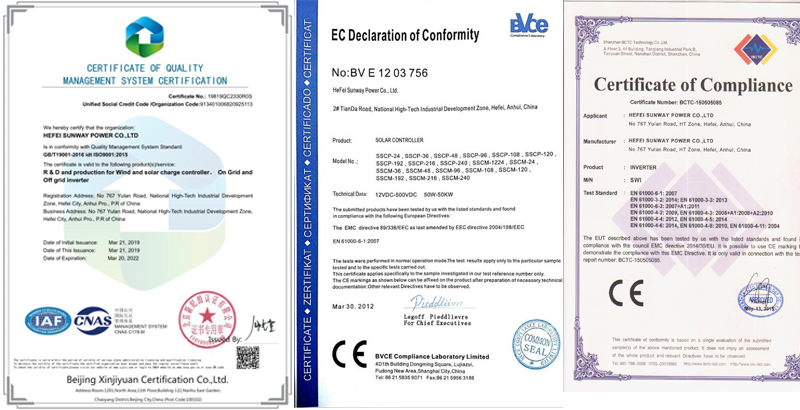
Sunway Solar, with over a decade of expertise in photovoltaic systems and 12 national patents in solar technology, has helped thousands of homeowners transition to clean energy. Our ISO-9001 and CE-certified systems are trusted across 20+ countries, combining reliability with cutting-edge efficiency.
Section 1: Pre-Installation Planning and Site Assessment
Understanding Your Energy Needs
Before purchasing any equipment, conduct a thorough energy audit of your home. Review your electricity bills from the past 12 months to determine your average monthly consumption. This data reveals seasonal patterns—most homes use more energy during summer (air conditioning) or winter (heating), depending on climate.
Calculate your daily energy consumption in kilowatt-hours (kWh). A typical household uses 25-30 kWh daily, though this varies significantly based on appliances, insulation, and lifestyle. Understanding this baseline helps size your solar system appropriately.
Roof and Site Assessment
Your roof is the foundation of a successful solar installation. Evaluate these critical factors:
• Roof Condition: Solar panels last 25-30 years, so your roof should have at least 15-20 years of remaining lifespan.
• Sun Exposure: Ideally, your installation site should receive 4-6 hours of peak sunlight daily.
• Roof Orientation and Angle: In the Northern Hemisphere, south-facing roofs are optimal.
• Shading Analysis: Identify potential obstructions—trees, buildings, chimneys, or vents—that cast shadows.
Local Regulations and Permits
• Building Permits: Most jurisdictions require permits for solar installations
• Electrical Codes: Ensure compliance with National Electrical Code (NEC) standards
• Tax Incentives: Research federal tax credits (currently 30% in the US), state rebates, and local incentives
Section 2: Selecting the Right Equipment

Solar Panels: Types and Efficiency
• Monocrystalline Panels: The most efficient option (18-22% efficiency), ideal for space-limited installations.
• Polycrystalline Panels: Slightly lower efficiency (15-17%) but more affordable.
• Thin-Film Panels: Lowest efficiency (10-12%) but most affordable.
Inverters: The System's Brain
Sunway Solar's advanced inverters feature proprietary MPPT (Maximum Power Point Tracking) technology, maximizing energy harvest even in variable conditions. Our CE-certified inverters meet international safety standards and deliver consistent performance across diverse climates.
Battery Storage Systems
• Lithium-Ion Batteries: Premium choice with 10,000+ cycle lifespan, high efficiency (95%), and compact design.
• Lead-Acid Batteries: More affordable but require regular maintenance and have shorter lifespans.
Section 3: Installation Process and Timeline
Installation Steps
• Day 1: Install mounting hardware, run electrical conduit and wiring, mount solar panels
• Day 2: Install inverter, connect battery storage, install disconnect switches
• Day 3: Perform comprehensive system testing, schedule utility inspection
Section 4: Activation and Optimization
After passing inspection, your utility company must approve grid connection. This process typically takes 1-4 weeks. Once approved, your system can export excess power to the grid, earning credits through net metering.
Maintenance and Long-Term Care
• Annual Inspections: Professional check-ups ensure optimal performance
• Cleaning: Periodic panel cleaning (2-4 times yearly) maintains efficiency
• Monitoring: Regular review of production data identifies problems early
Conclusion
Installing a home solar system is a significant investment that delivers returns for decades. Sunway Solar's commitment to excellence, backed by 12 national patents and ISO-9001 certification, ensures your system performs reliably for 25+ years. Our global presence across 20+ countries demonstrates our expertise in diverse climates and conditions.
|
Ready to explore solar for your home? Contact Sunway Solar today for a free site assessment! Start your solar journey now. |